
.jpg)

Music in Worship
- Jan 4, 2025
- 3 min read
The Power of Music in Worship: A Pathway to the Divine
Music has long been a central element of worship across cultures and spiritual traditions. Its ability to connect us with the divine, elevate our spirits, and create a sacred space for reverence makes it an unparalleled tool for spiritual expression. Whether you are engaging in personal devotion, communal rituals, or moments of silent contemplation, music can enhance your worship experience in profound ways.
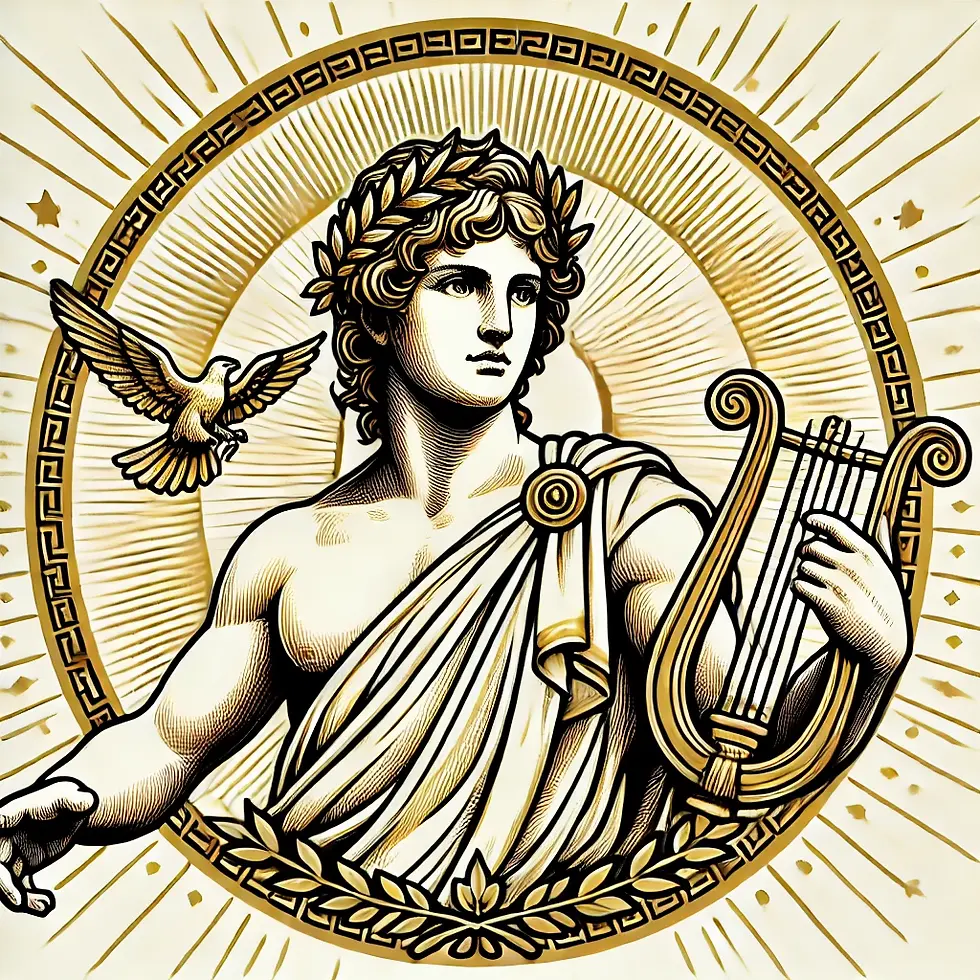
Why Music Matters in Worship
Music transcends language and speaks directly to the soul. It has the power to evoke emotions, memories, and spiritual awakenings that words alone cannot achieve. When used in worship, music becomes a bridge between the earthly and the divine, helping us connect with the gods, spirits, or universal energy we honor.
Creates Sacred SpaceMusic has the unique ability to transform any environment into a sacred space. Chanting, drumming, or playing hymns sets the tone for worship, signaling a transition from the mundane to the divine.
Invokes Divine PresenceMany spiritual traditions use music to call upon deities or spiritual forces. For instance, Vedic chants, Christian hymns, and African drumming traditions are designed to invoke specific energies or divine presences.
Unites WorshippersIn communal worship, music fosters unity and shared purpose. Singing or chanting together creates a sense of collective energy and devotion, strengthening the bond among participants.
Types of Music in Worship
Traditional Hymns and ChantsMany faiths have rich musical traditions, with hymns and chants passed down through generations. These pieces often contain sacred words or phrases designed to uplift and inspire.
Instrumental MusicInstruments like harps, drums, and flutes have been used in spiritual practices for centuries. Their melodies can create a calming atmosphere or build energy for ecstatic worship.
Modern and Fusion StylesContemporary music styles have also found their place in worship. From gospel to electronic spiritual music, modern compositions can resonate with younger generations while honoring traditional themes.
Nature Sounds and Ambient MusicIncorporating natural sounds like rainfall, ocean waves, or birdsong into worship music can enhance meditation and create a serene environment for connecting with the divine.
Using Music in Personal Worship
Even in solitary devotion, music can serve as a powerful tool to deepen your spiritual connection:
Meditative Listening: Play soft, instrumental music to accompany meditation or prayer.
Singing or Chanting: Use your voice to honor the divine, whether through established chants or personal expressions.
Creating Playlists: Curate playlists that resonate with your spiritual goals, such as invoking peace, gratitude, or strength.
Playing Instruments: If you play an instrument, create your own offerings of sound as an act of devotion.
Tips for Incorporating Music into Worship
Choose Music with IntentionSelect music that aligns with the energy or deity you are honoring. For example, soothing melodies might be appropriate for invoking peace, while drumming or energetic music could channel vitality and power.
Make It PersonalWhile traditional music has its place, don't hesitate to incorporate songs or styles that hold personal meaning for you.
Experiment with TechnologyUse apps and streaming services to discover global spiritual music or create custom playlists for different rituals and moods.
Balance Silence and SoundRemember that silence can be as sacred as sound. Use music to enhance your worship but allow moments of quiet reflection to create balance.
Conclusion: A Divine Symphony
Music in worship is a timeless practice that connects us with the divine and enriches our spiritual lives. Whether through traditional hymns, modern songs, or the simple act of singing your heart’s devotion, music is a universal language that invites us to commune with the sacred.

Comments